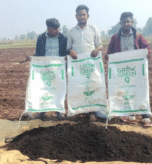




Why Healthy Soil Is the Real Secret Behind High Crop Yield
Farming success doesn’t begin with seeds or fertilisers — it begins with the soil. Many farmers focus on visible inputs, but the real difference in crop performance often lies beneath the surface. Healthy soil holds the power to improve growth, increase yield, and maintain long-term productivity without over-dependence on chemicals.
When soil is balanced, alive, and rich in nutrients, crops grow stronger, require less intervention, and perform consistently even under challenging conditions. Understanding soil health is not just good practice — it is essential for sustainable and profitable farming.
“Soil is not just a medium for crops — it is the foundation of every harvest. When the soil is strong, the entire farm becomes stronger.”
– Purvi Agro Industry
In today’s farming conditions, soil quality is often overlooked due to the quick results offered by chemical inputs. However, over time, this leads to reduced fertility, poor crop performance, and increased input costs. This guide explains how focusing on soil health can transform farming outcomes. From improving structure to increasing nutrient availability, small changes in soil management can create a big difference. Whether you are growing seasonal crops or managing long-term plantations, building healthy soil ensures stability, quality produce, and better profitability year after year.
What’s Included in Rooftop Gardens
Our Green Maintenance service covers all the essentials to keep your garden thriving—lawn care, pruning, eco-friendly treatments, and seasonal updates. Everything is handled by our expert team with a focus on sustainability.
Organic Soil Conditioning
Microbial Activity
Nutrient Balance
Soil Structure Improvement
Moisture Retention Support
Why Soil Health Matters
Stronger Crop Foundation: Healthy soil supports better root development and plant stability
Improved Yield: Balanced nutrients lead to consistent and higher production
Better Water Retention: Good soil structure helps retain moisture for longer periods
Reduced Chemical Dependency: Natural fertility reduces need for synthetic inputs
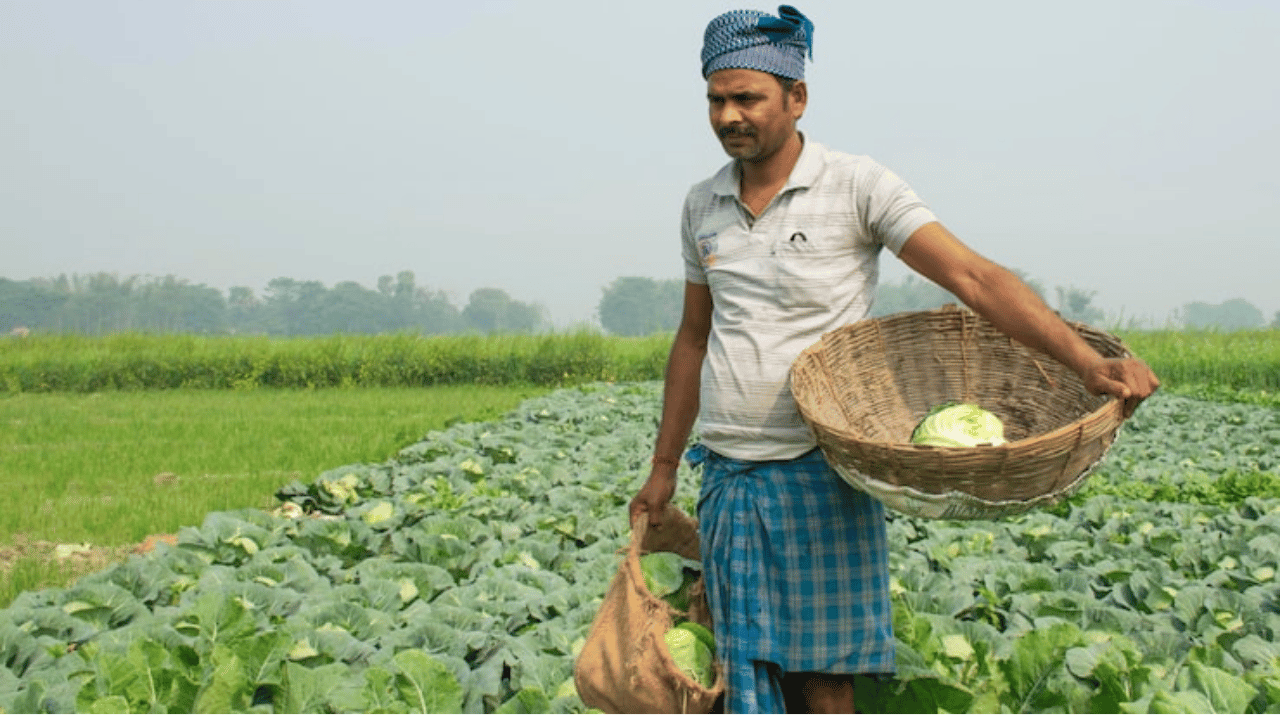
Planning & Improving Your Soil Health
Before making any changes, it is important to understand the condition of your soil and take a structured approach.
Test Soil Nutrient Levels Regularly
Use Organic Inputs Instead of Heavy Chemicals
Improve Soil Structure with Conditioners.
Maintain Proper Irrigation Practices
Focus on Long-Term Soil Fertility, Not Just Short-Term Growth
Healthy soil is not built overnight, but every step taken towards improving it brings long-term benefits for both crops and farmers. By focusing on soil health today, you are not just improving one season’s yield — you are securing consistent productivity, better quality produce, and sustainable farming for years to come.